Introduction
Peripheral neuropathy is a medical condition involving damage or dysfunction of nerves outside the brain and spinal cord. These peripheral nerves transmit signals responsible for sensation, muscle movement, and certain automatic body functions. When damaged, they can cause burning pain, numbness, tingling, weakness, and difficulties with everyday activities.
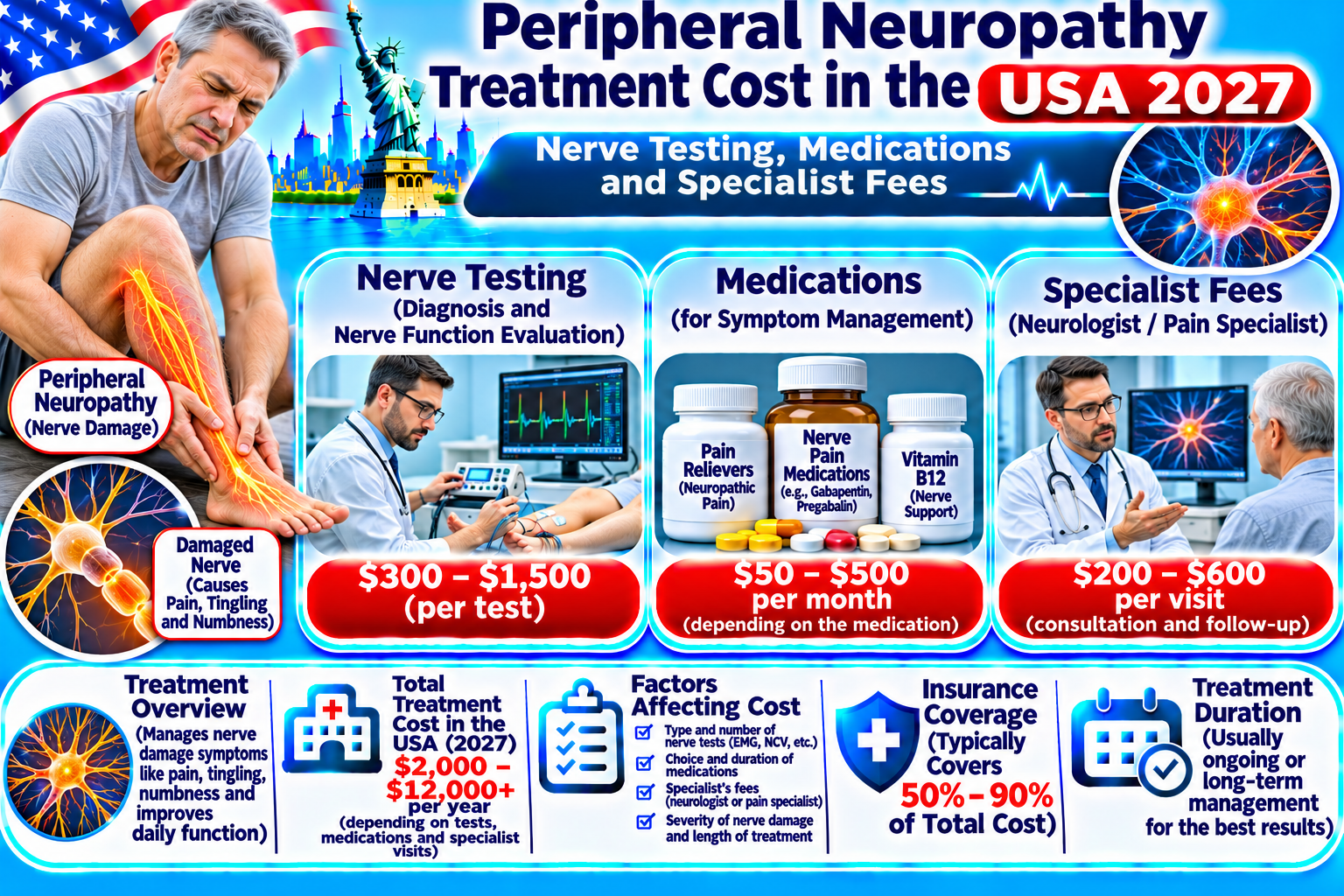
Understanding peripheral neuropathy treatment costs in the USA in 2027 is important for patients comparing nerve conduction studies, electromyography, neurologist fees, prescription medications, physical therapy, and insurance coverage.
Treatment expenses depend on the underlying cause, severity of symptoms, diagnostic requirements, medication selection, and healthcare provider. Some patients require only occasional monitoring, while others need ongoing specialist care and rehabilitation.
This comprehensive guide explains estimated American peripheral neuropathy treatment expenses for 2027, including nerve testing, medications, specialist consultations, insurance benefits, and long-term financial planning.
What Is Peripheral Neuropathy?
Peripheral neuropathy refers to damage affecting one or more peripheral nerves. It may involve sensory nerves, motor nerves, autonomic nerves, or a combination of these nerve types.
Sensory nerve damage may cause numbness, burning sensations, or increased sensitivity to touch. Motor nerve involvement can produce weakness and coordination problems.
Autonomic neuropathy may affect digestion, blood pressure regulation, sweating, or bladder function.
The condition can develop gradually or appear more rapidly, depending on its cause. Identifying the underlying problem is essential because some forms are treatable or potentially reversible.
Common Symptoms of Peripheral Neuropathy
Symptoms vary according to the affected nerves and the extent of damage.
- Burning or shooting pain in the feet or hands.
- Tingling or pins-and-needles sensations.
- Reduced sensitivity to temperature or touch.
- Muscle weakness or cramps.
- Difficulty maintaining balance.
- Increased sensitivity to light touch.
- Changes in sweating or blood pressure.
- Foot injuries that go unnoticed because of numbness.
New, rapidly progressing weakness, significant walking difficulties, or breathing problems require urgent medical evaluation.
Causes and Risk Factors
Diabetes is a major cause of peripheral neuropathy in the United States. However, many other medical conditions can damage peripheral nerves.
Common causes and contributing factors include:
- Diabetes and prolonged high blood glucose.
- Vitamin B12 deficiency.
- Alcohol-related nerve damage.
- Autoimmune and inflammatory disorders.
- Certain chemotherapy medications.
- Kidney or thyroid disease.
- Inherited neurological disorders.
- Nerve compression or traumatic injury.
- Some infections and medication toxicities.
In some patients, no specific cause can be identified despite appropriate testing. This is known as idiopathic peripheral neuropathy.
How Is Peripheral Neuropathy Diagnosed?
A neurologist usually begins with a medical history and neurological examination. The clinician evaluates sensation, reflexes, muscle strength, balance, and possible underlying conditions.
Diagnostic testing is selected according to the patient’s symptoms and examination findings.
Nerve Conduction Studies
Nerve conduction studies measure how electrical signals travel through peripheral nerves. They can help identify certain types of nerve injury and determine whether nerve conduction is impaired.
Electromyography
Electromyography, commonly called EMG, evaluates electrical activity within muscles and may help distinguish nerve disorders from muscle diseases.
EMG and nerve conduction studies are often performed during the same diagnostic appointment.
Blood Tests
Blood testing may identify diabetes, vitamin deficiencies, thyroid abnormalities, kidney dysfunction, or other medical conditions associated with neuropathy.
Skin Biopsy
In selected patients with suspected small-fiber neuropathy, a skin biopsy may help evaluate the density of small nerve fibers.
Routine nerve conduction studies can be normal in isolated small-fiber neuropathy, making specialized testing useful in appropriate cases.
Additional Diagnostic Testing
Some patients require autonomic testing, genetic evaluation, or imaging when symptoms suggest a particular neurological disorder.
Not every patient needs every diagnostic procedure. Testing should be guided by clinical findings.
Peripheral Neuropathy Treatment Options
Managing the Underlying Cause
Treating the underlying condition is often the most important part of neuropathy management.
For patients with diabetes, individualized blood glucose management can help reduce the risk of further nerve damage.
Vitamin deficiencies may require replacement therapy. Certain inflammatory neuropathies need specialized treatments directed at the immune system.
Prescription Pain Medications
Medications commonly considered for neuropathic pain include duloxetine, pregabalin, gabapentin, and selected other treatments.
Medication choice depends on symptoms, kidney function, possible side effects, interactions, and insurance coverage.
These medications may reduce pain but do not necessarily repair damaged nerves.
Topical Treatments
Topical lidocaine or capsaicin-based treatments may help selected patients with localized neuropathic pain.
Prescription-strength capsaicin procedures can involve additional clinic and administration charges.
Physical Therapy
Physical therapy may help improve balance, strength, walking ability, and confidence during everyday activities.
Patients with substantial weakness may require assistive devices or additional rehabilitation.
Specialized Treatments
Selected patients with specific immune-mediated neuropathies may need intravenous immunoglobulin or other specialized therapies.
Spinal cord stimulation may be considered for carefully selected patients with refractory painful diabetic neuropathy after appropriate evaluation.
These interventions are not routine treatments for every form of peripheral neuropathy.
Peripheral Neuropathy Treatment Cost in the USA in 2027
American peripheral neuropathy treatment expenses vary according to the underlying diagnosis, specialist fees, diagnostic testing, medication requirements, and rehabilitation needs.
The following figures are illustrative 2027 budgeting estimates rather than verified national averages, guaranteed quotations, or actual insurance payments.
Estimated USA Cost Breakdown
| Treatment or Service | Estimated Cost (USD) |
|---|---|
| Initial Neurologist Consultation | $200–$600+ |
| Neurology Follow-Up Appointment | $100–$350+ |
| Nerve Conduction Study | $300–$1,500+ |
| EMG and Nerve Conduction Testing | $500–$2,500+ |
| Neuropathy Blood Test Panel | $100–$700+ |
| Small-Fiber Skin Biopsy | $500–$2,000+ |
| Generic Neuropathic Pain Medication | $10–$100+ per month |
| Brand-Name Neuropathy Medication | $100–$600+ per month |
| Physical Therapy Session | $100–$300+ per session |
| Prescription Topical Treatment | $50–$500+ depending on treatment |
| Specialized Pain Clinic Consultation | $200–$600+ |
| Advanced Neuropathy Treatment | $5,000–$30,000+ depending on intervention |
Important: These broad hypothetical ranges are intended for preliminary financial planning. Some testing packages already include multiple procedures. Actual charges, negotiated insurance rates, and out-of-pocket payments can differ substantially.
USA Peripheral Neuropathy Treatment Cost Comparison
Because this article focuses on the United States, the following table compares illustrative American treatment scenarios rather than different countries.
| USA Treatment Scenario | Illustrative Annual Budget |
|---|---|
| Mild Neuropathy With Basic Monitoring | $300–$1,500+ |
| Moderate Neuropathy With Medication | $1,000–$4,000+ |
| Neuropathy With EMG and Rehabilitation | $2,000–$7,000+ |
| Severe Neuropathy With Complex Care | $5,000–$20,000+ |
These examples do not include every possible underlying disease expense. Specialized immune therapies or implanted devices may produce substantially higher costs.
Neurologist and Specialist Consultation Fees
A neurologist specializes in disorders of the nervous system and may evaluate patients with persistent or unexplained neuropathy symptoms. Initial consultations typically involve reviewing symptoms, medical history, examination findings, and previous laboratory results.
Patients with diabetes-related neuropathy may also receive care from an endocrinologist or primary care physician. Complex cases sometimes require a neuromuscular specialist, pain management physician, or rehabilitation team.
Consultation expenses vary by provider, appointment complexity, insurance contracts, and geographic location. Follow-up visits may be needed to assess treatment response and medication safety.
EMG and Nerve Conduction Testing Costs
Electromyography and nerve conduction studies are important diagnostic tools for selected patients. They help characterize nerve abnormalities and distinguish certain peripheral nerve conditions from muscle or nerve root disorders.
Testing costs depend on the number of nerves examined, the muscles tested, the provider, and the healthcare facility.
Not every patient needs electrodiagnostic testing. Typical diabetic peripheral neuropathy may sometimes be diagnosed through clinical examination and appropriate laboratory evaluation.
Patients should ask whether the quoted testing price includes both technical and physician interpretation fees.
Medication Expenses for Neuropathic Pain
Prescription medication is a common ongoing expense for patients with painful peripheral neuropathy.
Generic medications such as gabapentin and duloxetine may be relatively affordable, depending on dosage and pharmacy pricing.
Brand-name products and specialized treatments can be considerably more expensive.
Potential medication side effects include dizziness, sleepiness, swelling, or other problems depending on the prescribed drug.
Patients with reduced kidney function may require dosage adjustments for certain neuropathy medications.
Medication changes should always be discussed with a qualified healthcare professional.
Physical Therapy and Rehabilitation Costs
Peripheral neuropathy can interfere with balance, coordination, and walking ability. Physical therapy may help improve mobility and reduce fall risk.
Rehabilitation expenses depend on the number of appointments, treatment intensity, and insurance benefits.
Some patients may need supportive footwear, braces, walking aids, or occupational therapy.
These additional expenses should be considered when estimating long-term treatment costs.
Peripheral Neuropathy Treatment With Health Insurance
Many comprehensive American health insurance plans cover medically necessary evaluation and treatment of peripheral neuropathy.
However, insurance approval does not necessarily eliminate personal expenses.
Important coverage considerations include:
- Annual deductible and out-of-pocket maximum.
- Neurologist and specialist network participation.
- Coverage for EMG and nerve conduction testing.
- Prescription medication formulary benefits.
- Prior authorization for specialized treatments.
- Physical therapy and rehabilitation coverage.
- Diagnostic laboratory testing benefits.
- Coverage for mobility equipment when medically necessary.
Patients should confirm whether their proposed tests and medications meet their insurance plan’s medical necessity requirements.
Medicare Coverage for Peripheral Neuropathy
Original Medicare may cover medically necessary peripheral neuropathy evaluation and treatment when applicable requirements are satisfied.
Medicare Part B generally covers qualifying outpatient physician services and diagnostic testing.
Medicare Part D may cover eligible prescription medications according to the patient’s drug plan.
Medicare coverage policies distinguish medically necessary electrodiagnostic testing from routine screening or testing performed without sufficient clinical justification.
Medicare Advantage plans may have different provider networks, authorization requirements, and cost-sharing arrangements.
Medicaid and Financial Assistance
Medicaid may cover medically necessary neuropathy treatment for eligible individuals, depending on state-specific benefits and requirements.
Some healthcare organizations provide financial assistance or reduced-cost services for qualifying patients.
Patients may also ask about generic prescription alternatives and available medication assistance programs.
Peripheral Neuropathy Treatment Without Insurance
Uninsured patients may face substantial expenses for neurological consultations, diagnostic testing, medications, and rehabilitation.
Before scheduling nonemergency services, patients should request written estimates and ask whether self-pay discounts are available.
Comparing pharmacy prices and discussing medically appropriate generic medications may help reduce ongoing expenses.
Factors Influencing Peripheral Neuropathy Treatment Prices
1. Underlying Cause
Neuropathy caused by diabetes, vitamin deficiency, autoimmune disease, or chemotherapy may require different diagnostic and treatment approaches.
2. Diagnostic Testing Requirements
EMG, nerve conduction studies, blood tests, and specialized investigations can increase initial evaluation costs.
3. Specialist Fees
Neurologist, pain specialist, and rehabilitation consultation fees vary according to provider experience and healthcare setting.
4. Medication Selection
Generic drugs may cost less than brand-name medications. Dosage, treatment duration, and insurance formularies also influence expenses.
5. Insurance Coverage
Deductibles, copayments, coinsurance, provider networks, and authorization requirements affect patient financial responsibility.
6. Geographic Location
Healthcare prices differ across American states and cities because of regional operating expenses and insurance arrangements.
7. Disease Severity
Patients with significant weakness, mobility limitations, or complex neurological disorders may need more intensive treatment and rehabilitation.
Long-Term Management and Recovery Expenses
Recovery depends on the cause of nerve damage. Some patients improve after treatment of an underlying deficiency or reversible medical problem.
Other patients experience persistent symptoms requiring long-term management.
Ongoing expenses may include prescription refills, periodic specialist visits, physical therapy, and foot care.
Patients with reduced sensation should regularly inspect their feet and seek medical advice about injuries or wounds.
Possible Complications and Additional Costs
Peripheral neuropathy can increase the risk of falls, injuries, burns, and unnoticed foot wounds.
Patients with diabetes-related neuropathy may face additional risks when reduced sensation contributes to delayed recognition of foot injuries.
Complications can lead to emergency visits, wound treatment, hospitalization, or specialized rehabilitation.
Appropriate preventive care may help reduce avoidable complications.
How to Reduce Peripheral Neuropathy Treatment Costs
- Verify insurance benefits before diagnostic testing.
- Request complete written estimates for EMG and nerve conduction studies.
- Confirm neurologist and laboratory network participation.
- Ask about medically appropriate generic medications.
- Review prescription coverage and pharmacy costs.
- Discuss whether specialized testing is necessary.
- Explore financial assistance programs.
- Follow recommended treatment and preventive care plans.
The least expensive treatment is not necessarily the most appropriate. Accurate diagnosis and evidence-based medical care should remain priorities.
Frequently Asked Questions
How much does peripheral neuropathy treatment cost in the USA in 2027?
Illustrative annual expenses may range from several hundred dollars for mild symptoms to several thousand dollars for patients requiring medication, specialist appointments, and rehabilitation.
How much do EMG and nerve conduction studies cost?
A combined EMG and nerve conduction evaluation may cost approximately $500 to $2,500 or more in illustrative 2027 pricing, depending on testing complexity and facility charges.
Does insurance cover peripheral neuropathy treatment?
Many comprehensive insurance plans cover medically necessary consultations, testing, and medications, subject to policy requirements.
Does Medicare cover nerve conduction testing?
Medicare may cover medically necessary nerve conduction studies when applicable clinical and coverage criteria are met.
Can peripheral neuropathy be cured?
Some forms improve when an underlying cause is treated. Other types involve persistent nerve damage requiring long-term symptom management.
Are neuropathy medications expensive?
Generic medications may be relatively affordable, while certain brand-name drugs and specialized treatments can cost considerably more.
Conclusion
Peripheral neuropathy treatment costs in the USA in 2027 depend on nerve testing, medications, neurologist fees, rehabilitation requirements, disease severity, and insurance coverage.
Patients should compare complete diagnostic and treatment estimates, verify insurance benefits, and consult qualified healthcare professionals to identify appropriate care.
Early evaluation, treatment of underlying causes, and consistent follow-up can help manage symptoms and reduce the risk of complications.
Medical Disclaimer: This article provides general educational and financial planning information only. It does not replace professional medical advice, diagnosis, or treatment. All 2027 cost ranges are illustrative estimates and should be verified directly with healthcare providers, laboratories, pharmacies, and insurance companies.
